Water Softener Installation in Houston, TX
Houston water is hard. Softeners protect your water heater, plumbing, and appliances — and they make every shower feel better. We size, install, and service systems that last.
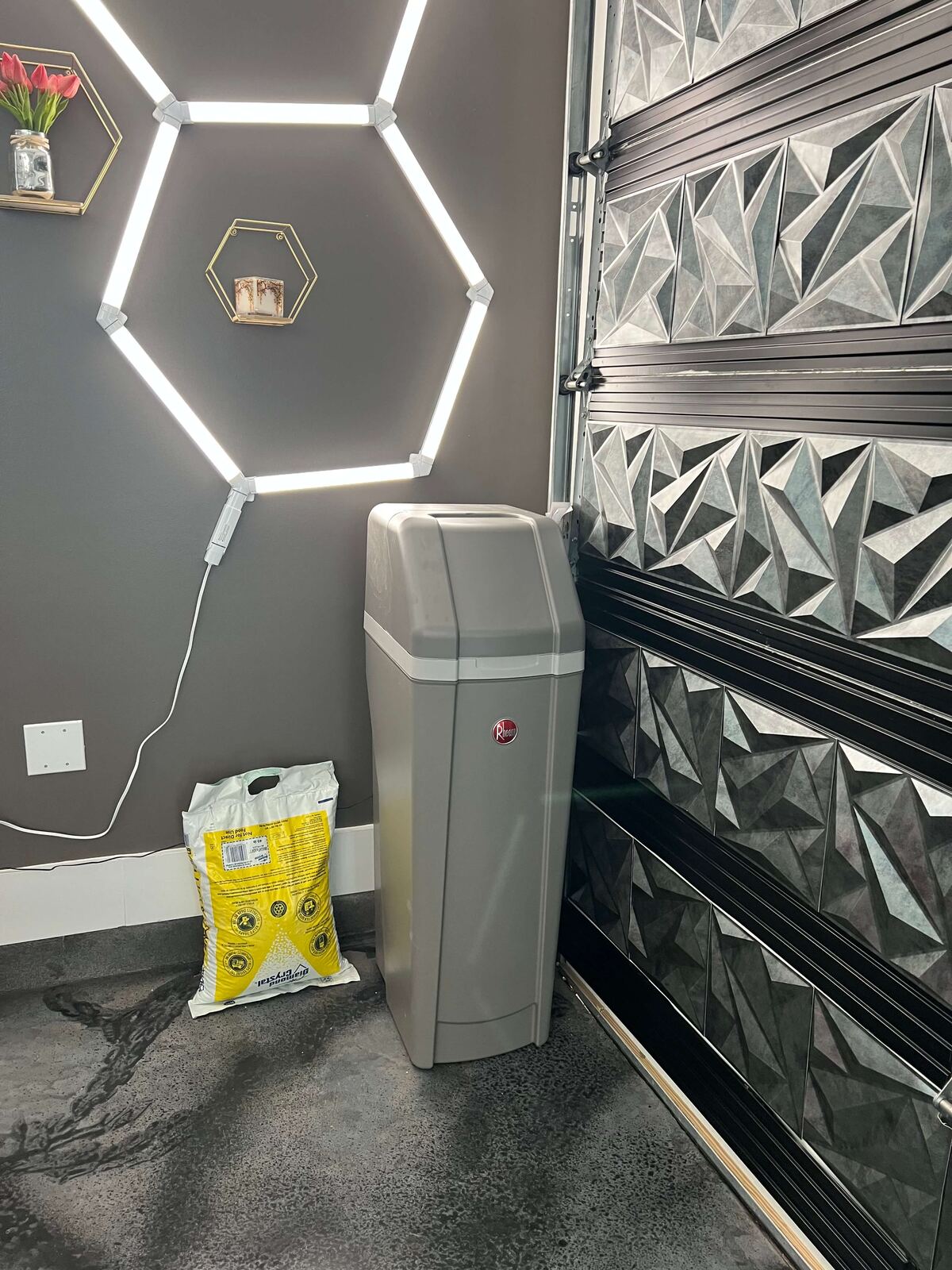
Houston water is hard — typically 11 to 15 grains per gallon of calcium and magnesium. That’s enough to scale up your water heater, leave white deposits on every faucet, and reduce the lifespan of every water-using appliance in your home. A properly sized water softener prevents all of it.
What a water softener actually does
A softener uses ion exchange to swap calcium and magnesium ions (the “hardness” minerals) for sodium ions. The hardness minerals are flushed away during the regeneration cycle. The water that reaches your fixtures and appliances is soft — meaning the minerals that cause scaling, soap scum, and spots are gone.
Sizing matters
Undersized softeners regenerate too often (wasting salt and water) or run out of capacity mid-week. Oversized softeners cost more than necessary and may run inefficiently. We size based on:
- Number of people in the household
- Typical daily water usage
- Measured incoming hardness
- Peak demand periods
A typical 3-to-4 person Houston home is usually well-served by a 32,000-grain or 48,000-grain system.
Salt-based vs. salt-free
We install both. Salt-based softeners are the proven, effective choice for protecting your home from hard water. Salt-free conditioners (template-assisted crystallization) reduce scale buildup without removing minerals — they’re easier to maintain but less effective at fully protecting appliances. We help you choose based on your priorities.
Common Issues We Solve
White scale buildup on fixtures
Hardness deposits build up on faucets, showerheads, and around drains. A softener prevents it at the source.
Soap doesn't lather, skin feels dry
Hard water binds with soap, leaving residue on skin and hair and reducing soap effectiveness.
Spots on dishes and glassware
Mineral spots are hard water signatures. Softened water rinses cleanly.
Water heater running poorly
Scale buildup inside your water heater forces it to work harder and shortens its lifespan.
Stained or scaled appliances
Dishwashers, washing machines, and ice makers fail faster on hard water.
Old softener not working
We service existing systems — broken control valves, brine tank issues, resin replacement.
Our Process
- 1
Water hardness test
We test your water to confirm hardness and identify any additional issues.
- 2
System sizing
We size based on household size, water usage, and incoming hardness — not a one-size-fits-all box.
- 3
Install location planning
Garage, utility room, or outside enclosure — we pick the install location that fits your home.
- 4
Plumbing and bypass
We install with a proper bypass valve so the system can be serviced without shutting off water to the house.
- 5
Commissioning and walk-through
We program the unit, walk you through salt refilling, and confirm everything is working.
Why Choose Us for Water Softeners
Protect your investment
Water heaters, plumbing, dishwashers, and fixtures all last significantly longer on softened water.
Better cleaning, less soap
Softer water means soap and detergent work better — you use less and clean better.
Long warranties
We install systems with 5-to-10-year warranties from manufacturers we trust.
Water Softeners — Common Questions
Do I really need a water softener in Houston?
Houston water averages 11–15 grains per gallon — solidly hard. A softener pays for itself by extending the life of your water heater (often by 5+ years) and protecting fixtures and appliances. Yes, it's worth it for most homes.
How much salt does a water softener use?
A typical household uses 1–2 bags of salt per month. High-efficiency systems use less. We can also install salt-free conditioners as an alternative.
Will I taste a difference?
Softened water tastes slightly different — some people prefer it, some don't. If taste is a priority, we can pair the softener with a reverse osmosis drinking water system for the kitchen tap.
Is softened water safe to drink?
Yes, for most healthy adults. The sodium added during softening is minimal. People on strict low-sodium diets often add a reverse osmosis drinking water system as a complement.
Water Softeners Throughout the Houston Metro
We provide water softeners service across Houston and surrounding communities. Tap your city for local details.
Related Services
Water Treatment & Whole-Home Filtration
Clean, great-tasting water at every tap with whole-home treatment and filtration systems.
Learn MoreWater Heater Installation
Code-compliant installation of high-efficiency tank water heaters from trusted brands.
Learn MoreTankless Water Heaters
Endless hot water with high-efficiency tankless installation, diagnostics, and maintenance.
Learn MoreSchedule Your Water Softeners
Get a written estimate, transparent pricing, and a 1-year labor warranty from licensed Houston plumbers.