
Water Treatment
Is Your Home's Water Quality Affecting Your Health?
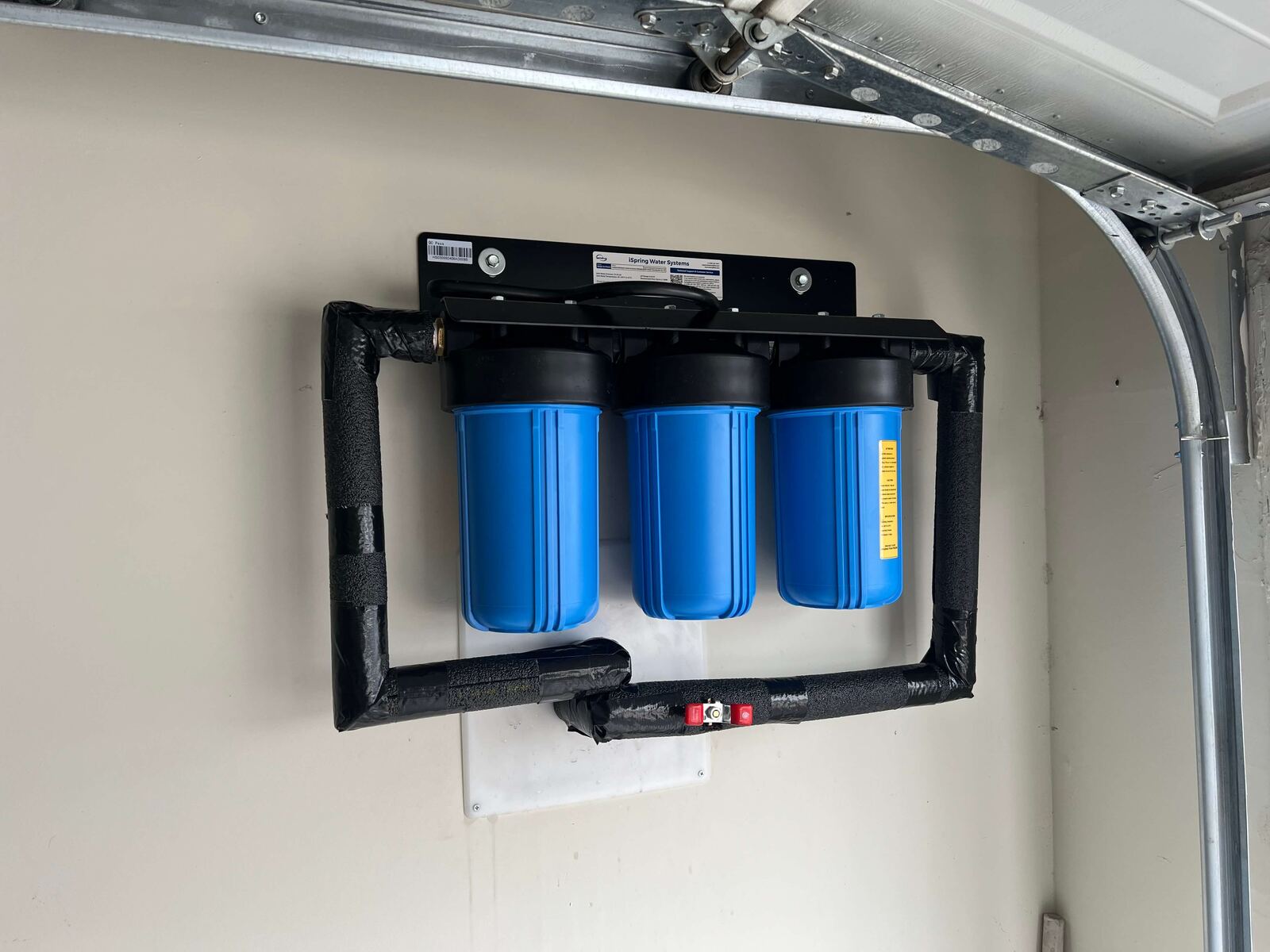
Houston tap water is safe by federal standards — that’s a real thing, and it’s important. But “safe” isn’t the same as “ideal.” Water quality affects more than thirst. It shows up on your skin, in your hair, in your appliances, and in the long-term taste experience of your home.
Here’s what’s actually in Houston tap water, what it might be doing to you, and what’s worth doing about it.
What’s in Houston tap water
Houston’s water comes from a mix of surface water (Lake Houston, Lake Conroe, Lake Livingston) and groundwater. Public water utilities publish annual water quality reports — they’re worth reading.
What you’ll typically find:
- Chlorine or chloramines — used for disinfection. Required for safety. Also responsible for the “pool” smell some Houston homeowners notice.
- Calcium and magnesium (hardness) — 11–15 grains per gallon on average. Not a health concern, but a quality and equipment concern.
- Trace minerals and trace contaminants — at levels within federal limits but detectable.
- Sediment occasionally — from aging distribution mains and construction-related disturbances.
For most healthy adults, drinking unfiltered Houston tap water is fine. But the quality concerns most homeowners notice — taste, smell, dry skin, scaled fixtures — are real and addressable.
Skin and hair
Hard water is rough on skin and hair for two reasons:
-
Soap and shampoo don’t rinse properly. Hardness minerals bind with soap, leaving a residue on skin and hair. People with dry skin, eczema, sensitive skin, or fine hair often notice major improvements when they install a softener.
-
Chlorine is drying. Chlorinated water strips natural oils from skin and hair. Whole-home carbon filtration removes chlorine before it reaches the shower.
Many homeowners install both — softener for hardness, carbon filter for chlorine. The combination delivers genuinely better shower water.
Drinking water taste
If your tap water tastes “off,” it’s usually one of three things:
- Chlorine — most common. Easy to fix with carbon filtration.
- Mineral content — some people are sensitive to dissolved minerals.
- Aging pipes in your home — galvanized supply lines or old fixtures can affect taste.
The simplest fix for drinking water taste is a reverse osmosis system at the kitchen sink. RO removes 95%+ of dissolved solids, producing water that’s effectively bottled-water quality at a tiny fraction of the cost.
Are filters worth it?
Depends on your priorities. Honest assessment:
Yes, install treatment if:
- You hate the taste/smell of your tap water
- You buy bottled water regularly (RO will pay back fast)
- You have dry skin or eczema that water quality affects
- You’re concerned about chlorine exposure for kids
- Your water heater is scaling up quickly (softener will pay back through equipment lifespan)
Maybe skip if:
- You’re happy with the current water taste and quality
- You don’t notice any skin/hair issues
- Your appliances are running fine
- You rent your home
Treatment is an investment. We don’t recommend it to people who don’t need it.
Testing before treating
Before installing anything, test your water. We do this on every consultation — not just to identify problems but to design the right solution. A generic softener-plus-filter package isn’t always the right answer. Sometimes the issue is purely chlorine and a single carbon filter solves everything. Sometimes you have an unusual mineral issue that needs specific media.
Test, then design, then install. In that order.
What a complete home water system looks like
For homes with the budget and the desire to fully solve water quality, a complete system might include:
- Sediment pre-filter at the main supply — catches particulates before they reach anything else
- Whole-home carbon filter — removes chlorine and improves taste at every tap
- Water softener — removes hardness, protects water heater and appliances
- Reverse osmosis under the kitchen sink — high-purity drinking and cooking water
This isn’t a small investment, but for homes where water quality matters, it transforms the everyday experience. Every shower, every glass of water, every dishwasher cycle is different.
For homes that just want the biggest single improvement, a softener alone solves the most equipment and skin issues. Add a carbon filter if chlorine taste/smell is the bigger concern. RO at the sink is the cheapest high-impact upgrade for drinking water.
Where to start
A free water test and a 30-minute consultation tells you what’s worth doing for your specific home. No high-pressure sales, no generic packages — just honest answers about what would actually make a difference for you.