
Water Heaters
5 Signs Your Water Heater Needs to Be Replaced
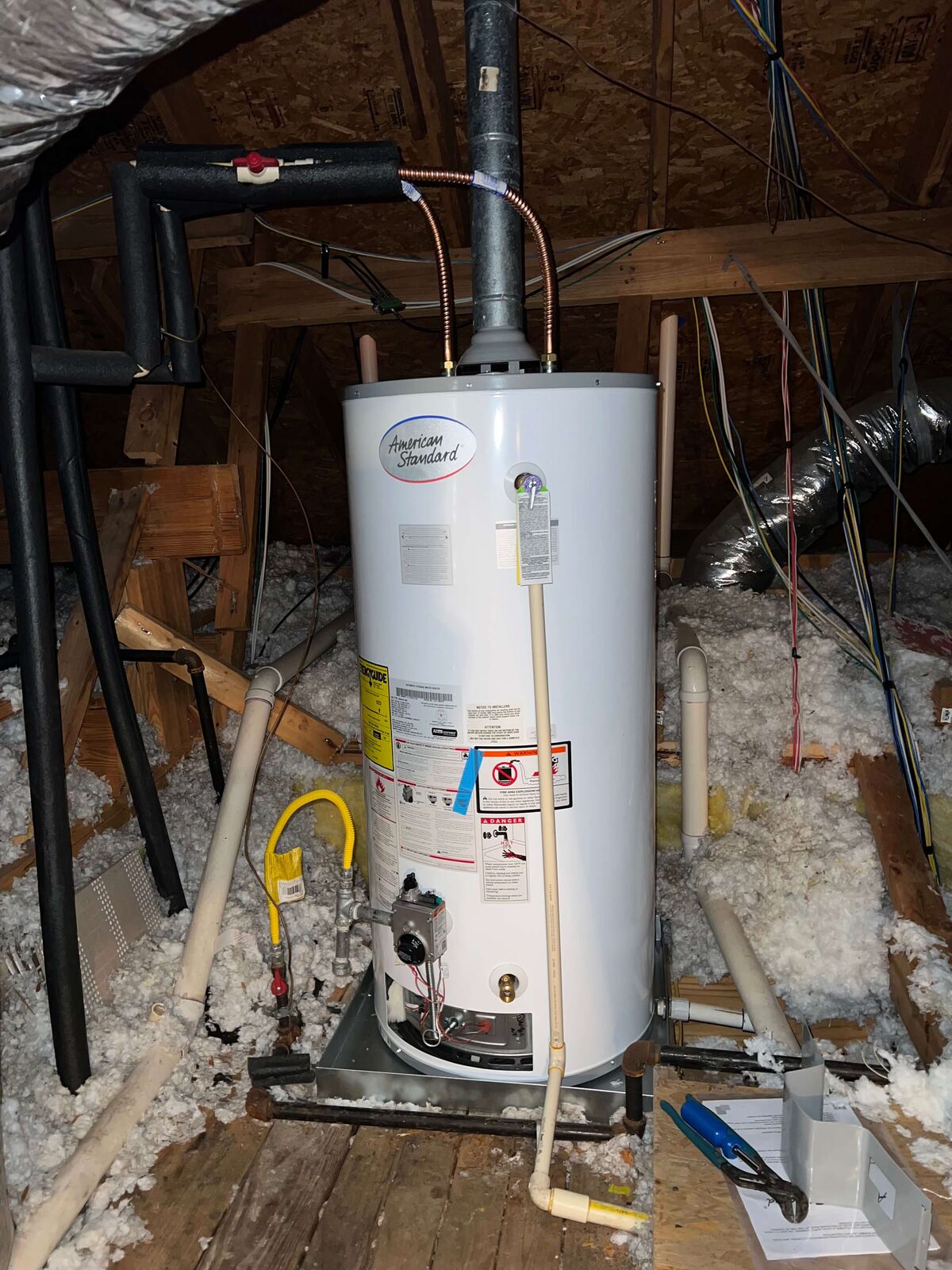
Water heaters rarely fail without warning. They give signals — sometimes obvious, sometimes subtle — for weeks or months before they go. Learning to recognize the signs lets you replace on your schedule, not in the middle of a Saturday night flood.
Here are the five clearest signs your water heater is reaching end of life.
1. The tank is leaking
A leaking tank is terminal. Period. Once the steel wall of the tank has corroded through, no amount of patching will fix it — and the leak will only get worse as internal pressure continues to push water out.
If you see water pooling around the base of your water heater, first check the obvious external sources: a loose fitting at the inlet or outlet, a dripping temperature and pressure relief valve, or a condensation issue. These are repairable. But if the water is coming from the tank itself — a slow weep along a vertical seam or rust around the bottom — it’s time to replace.
Action: Turn off the water supply to the heater, shut off the gas or electricity, and call us. A small leak today is a full failure tomorrow.
2. Rusty or discolored hot water
If you turn on the hot tap and the water is brown, orange, or yellow — but the cold tap runs clear — the rust is coming from inside your water heater. The interior is corroding.
This often correlates with the anode rod being fully consumed. The anode rod sacrifices itself to protect the tank lining; once it’s gone, the tank itself starts corroding. Sometimes anode replacement can buy more years if caught early. By the time rust shows up in your hot water, the tank usually doesn’t have much life left.
3. The unit is over 10 years old and acting up
Most tank water heaters last 8 to 12 years. Tankless units last 15 to 20. If your unit is past 10 years and starting to need repairs, you’re in the zone where each repair is a bigger gamble — and the next repair might be the one that costs more than a replacement.
Check the manufacture date on your unit’s data plate. Some manufacturers encode it in the serial number; others print it clearly. If you’re not sure, send us a photo and we’ll decode it.
4. Rumbling, popping, or banging noises
A water heater that sounds like it’s making popcorn is doing exactly that — except the popping is steam bubbles forced through layers of mineral sediment at the bottom of the tank. Houston water averages 11–15 grains per gallon of hardness, which means significant sediment buildup over the years.
This sediment:
- Insulates the burner from the water above, making the heater work harder
- Causes hot spots that stress the tank wall
- Raises energy bills
- Accelerates tank failure
Annual flushing slows this process down significantly. If you’ve never flushed your water heater, it’s probably long overdue.
5. Hot water runs out too fast
If you used to get a 20-minute shower and now you’re getting a 5-minute one, something’s changed. Possibilities:
- Sediment buildup is reducing effective tank capacity
- Dip tube failure is letting cold and hot water mix
- Heating element failure (on electric units) is leaving you running on one element
- Thermostat malfunction is letting the unit cool too far between calls
Some of these are fixable. Some signal a unit at end of life. The age of the unit and the pattern of failure tell us which.
Bonus: it’s an attic-installed unit over 8 years old
This isn’t a sign of failure exactly, but it’s worth knowing. Houston-area water heaters installed in attics are time bombs once they pass 8 years. When they fail, gravity does the rest — and the damage to ceilings, floors, and electronics can run into tens of thousands of dollars.
If your attic water heater is past 8 years and you don’t have a working drain pan with a drain line, plan the replacement now. Not after the leak.
Repair or replace?
Here’s our honest rule of thumb:
- Under 6 years old, with a clearly diagnosable problem → repair
- 6 to 10 years old → repair if it’s an inexpensive fix, replace if it’s not
- Over 10 years old → replace, unless the repair is genuinely trivial
- Tank leak → replace, always
When you call us, we’ll give you both options with honest pricing. The decision is yours.